
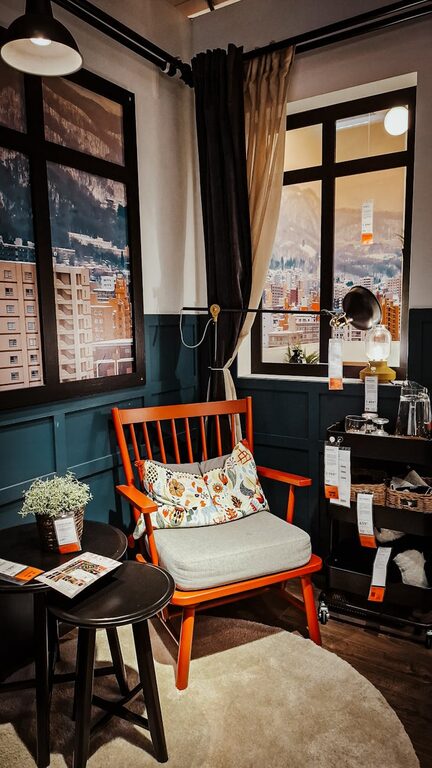
Creating a comfortable and inviting atmosphere in your home starts with the right lighting. Whether you’re redesigning a room or simply upgrading your current setup, choosing lighting that feels good both visually and emotionally can elevate your space. In this post, we’ll explore practical tips to help you pick comfortable home lighting that meets your needs and style.
Why Comfortable Lighting Matters
Lighting does more than just illuminate a space; it influences mood, productivity, and how your home feels overall. Harsh, overly bright lights can cause eye strain and fatigue, while dim or poorly placed lights might make a space feel gloomy or uninviting. Comfortable lighting strikes a balance, offering enough illumination without overpowering your senses.
Types of Lighting to Consider
Before diving into tips, it helps to know the basic types of lighting and their purposes:
– Ambient Lighting: General lighting that fills the room, typically from ceiling fixtures or recessed lights.
– Task Lighting: Focused lighting for specific activities like reading, cooking, or working.
– Accent Lighting: Decorative lighting that highlights artwork, plants, or architectural features.
Using a combination of these layers can create a well-lit, comfortable environment.
Tips for Choosing Comfortable Home Lighting
1. Think About the Purpose of Each Room
Start by considering how you use each room. For example:
– In the living room, you may want warm, soft lights that create a relaxing vibe.
– The kitchen and home office require brighter task lighting to improve visibility.
– Bedrooms benefit from adjustable lighting options to help you wind down.
Adapting lighting styles to function ensures comfort and practicality.
2. Choose the Right Color Temperature
Color temperature is measured in Kelvins (K) and affects the “warmth” or “coolness” of the light:
– Warm white (2700K–3000K): Soft, yellowish light ideal for creating a cozy atmosphere.
– Neutral white (3500K–4100K): Balanced light good for kitchens and bathrooms.
– Cool white (5000K+): Bright, blue-tinted light suited for task-heavy spaces or garages.
For comfortable home lighting, warm to neutral whites are often preferred, especially in living areas.
3. Use Dimmer Switches
Installing dimmer switches allows you to adjust brightness based on time of day or activity. This flexibility is excellent for creating ambiance and preventing eye strain.
4. Select Energy-Efficient Bulbs
LED bulbs are a popular choice because they consume less energy, last longer, and produce less heat compared to traditional incandescent bulbs. Many LED bulbs now come with adjustable color temperatures, giving you more control.
5. Layer Your Lighting
Combining ambient, task, and accent lighting creates depth and flexibility. For example:
– Use ceiling lights for overall illumination.
– Add reading lamps next to chairs or beds.
– Highlight artwork with spotlights or picture lights.
This layering ensures your lighting is both functional and comfortable.
6. Consider Fixtures That Complement Your Décor
Lighting fixtures contribute to your room’s style. Choose designs that harmonize with your interior without overpowering the space. Simple, elegant fixtures often help avoid visual clutter, maintaining a calm atmosphere.
7. Optimize Natural Light
Whenever possible, make the most of daylight. Avoid heavy drapes that block sunlight and position mirrors to reflect natural light deeper into rooms. Natural light enhances comfort and reduces the need for artificial lighting during the day.
8. Avoid Glare and Shadows
Glare occurs when light is too harsh or directed improperly, causing discomfort. To reduce glare:
– Use lampshades or diffusers.
– Position lights at angles that minimize reflections on screens.
– Choose frosted bulbs for a softer glow.
Similarly, avoid placing lights that create sharp shadows, which can strain the eyes and disrupt the room’s harmony.
9. Maintain Consistent Light Levels
Sudden changes in brightness can be unsettling. Aim for gradual light transitions when possible, such as a dimmer ramp-up or having multiple layers of light in a room.
10. Test Your Lighting Setup
After choosing bulbs and fixtures, test them during different times of the day. Observe how the lighting feels when natural light changes, and adjust accordingly.
Final Thoughts
Comfortable home lighting is a blend of art and science. By considering your rooms’ purposes, selecting the right bulbs and fixtures, and layering your lights thoughtfully, you can create a warm, inviting environment that suits your lifestyle. Remember, lighting is a dynamic element—don’t be afraid to experiment and adjust as your needs evolve.
Whether you’re reading a book on a cozy evening or preparing a meal in the kitchen, the right lighting can make all the difference. Follow these tips to brighten your home comfortably and beautifully.